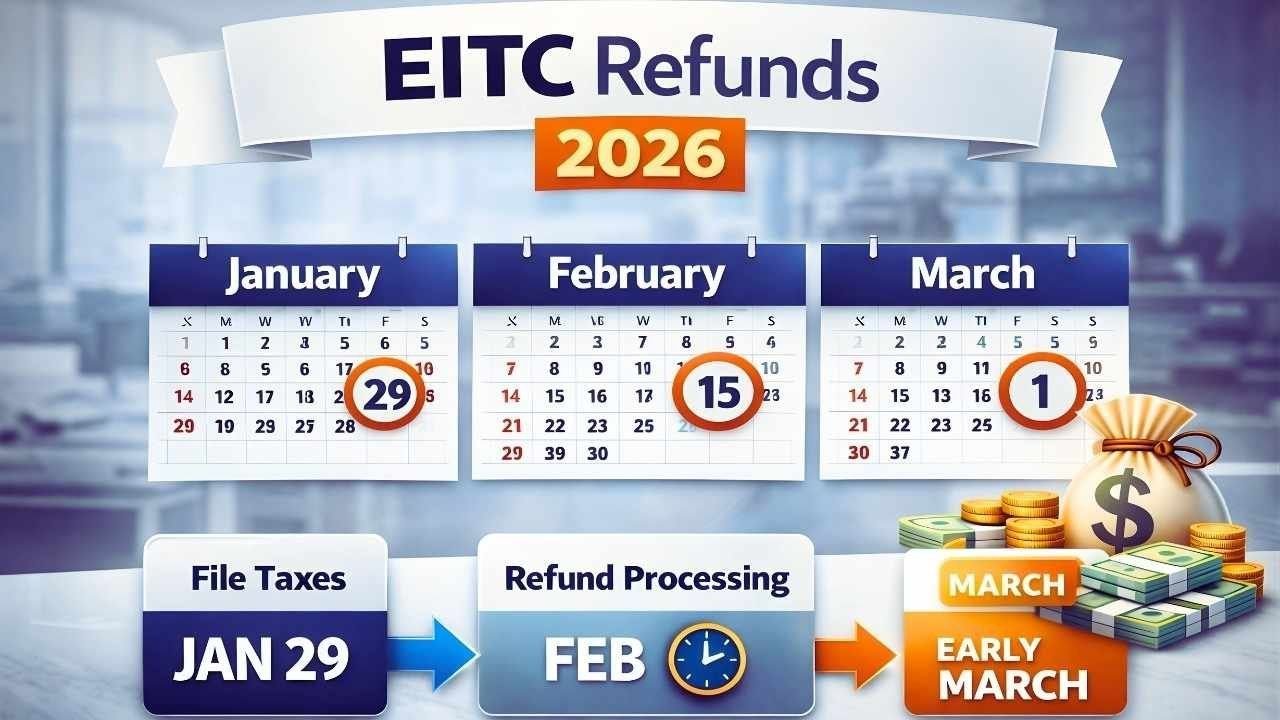
Millions of low- to moderate-income workers claiming the Earned Income Tax Credit (EITC) should prepare for delayed refunds during the 2026 tax season. Even early filers submitting accurate returns will not see these refunds immediately. This delay is not a processing error—it is mandated by federal law to prevent fraud and protect taxpayers. Understanding how the timeline works can help families plan their finances and avoid unnecessary stress.
Why EITC Refunds Are Delayed in 2026
The refund delay is required under the Protecting Americans from Tax Hikes (PATH) Act of 2015. This legislation was enacted to reduce tax fraud and identity theft related to refundable credits, including the EITC and Additional Child Tax Credit. Because these credits often result in large refunds, the IRS must review claims carefully.

The law prevents the IRS from issuing any refund containing EITC or related credits before mid-February, even if the return is accepted in January. This ensures that refunds go to eligible taxpayers and reduces the risk of fraudulent payments.
When the IRS Started Processing 2026 Returns
The IRS began accepting 2025 tax returns on January 26, 2026. Taxpayers who do not claim EITC often receive refunds within about 21 days. EITC filers, however, follow a different schedule due to additional verification. These checks include:
- Confirming income and employer reports
- Verifying dependents and personal identity
- Reviewing past-year return information for consistency
These steps are essential to prevent errors and fraudulent activity before releasing funds.
Expected Refund Timing for EITC Filers

Although refunds cannot be released before mid-February, early filers can expect movement shortly afterward. For taxpayers who filed electronically, chose direct deposit, and submitted error-free returns, refunds typically appear in bank accounts between late February and early March, often during the first week of March.
Taxpayers receiving paper checks may experience an additional delay of one to two weeks due to mailing time. This staggered timeline is normal and helps the IRS manage large volumes of refunds efficiently.
How to Track Your Refund Status
The most reliable way to monitor refund progress is through:
- The IRS “Where’s My Refund” tool
- The IRS2Go mobile app

These tools provide personalized updates, including estimated deposit dates once refunds are approved. Checking multiple times per day will not speed up the process, as the system updates only once daily.
Tips to Avoid Additional Delays
To minimize processing delays:
- File electronically with direct deposit for faster delivery
- Double-check all personal information: names, Social Security numbers, and income details
- Confirm bank account numbers and routing information are correct
- Use trusted tax software or the IRS Free File option to reduce errors
- Respond promptly if the IRS requests additional documentation
Even minor mistakes can trigger a manual review, which adds days or weeks to refund processing.
Why the Delay Exists
The EITC is one of the most effective federal programs for supporting working families. While waiting can be frustrating, the delay is designed to prevent fraudulent payments and protect eligible taxpayers. By being informed and patient, families can manage expectations and plan their budgets more effectively.
Final Thoughts
For EITC filers, waiting until late February or early March for a refund is standard practice in 2026. Filing accurately, using direct deposit, and monitoring the IRS’s official tools are the best ways to stay informed and avoid unnecessary stress.
Disclaimer: This article is for informational purposes only and does not constitute financial, tax, or legal advice. Refund timelines, IRS procedures, and eligibility rules may change. Individual refund dates depend on personal tax circumstances. Readers should consult the official IRS website or a qualified tax professional for guidance specific to their situation.