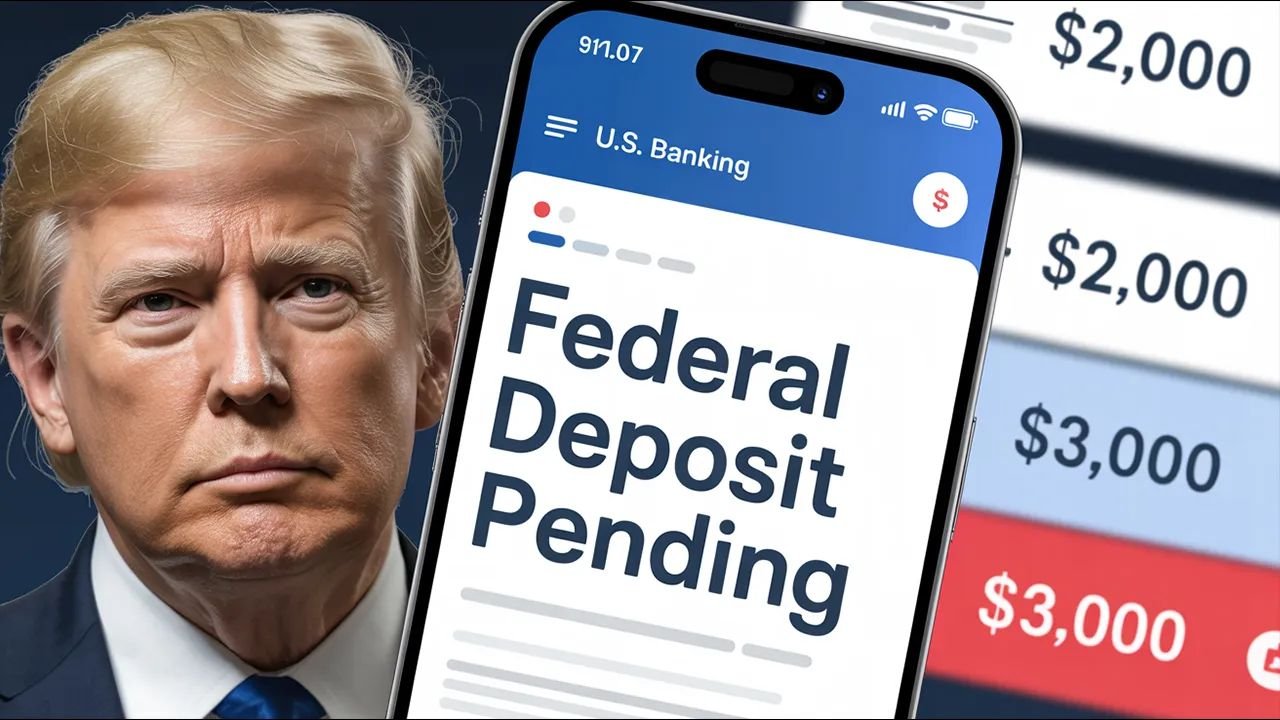
In early 2026, numerous Americans are noticing delays in federal deposits, particularly payments ranging from $2,000 to $3,000. Even after confirmation or approval notices, these payments sometimes appear as pending or temporarily unavailable. While this situation is causing concern for many recipients, officials confirm that most delays stem from enhanced identity and account verification procedures now in place.
Understanding why these holds occur and how to navigate them can help taxpayers manage expectations and avoid unnecessary stress.
Why Federal Deposits Are Slowing Down

Federal payment systems are largely automated, yet identity verification remains a critical final step. In 2026, agencies have expanded these checks to prevent fraud, duplicate claims, and incorrect payments. Previously, verification often occurred quietly in the background, but now, these reviews are more visible and frequent.
Even minor inconsistencies—such as name variations, recent address updates, or changes to bank information—can trigger a temporary pause. This caution ensures that funds reach the correct recipient safely.
Why Payments Between $2,000 and $3,000 Receive Extra Scrutiny
Higher-value payments naturally undergo closer examination. Deposits within the $2,000 to $3,000 range often combine tax credits, adjustments, or multiple benefits, which require additional validation.

While these payments are not inherently risky, the system automatically double-checks eligibility to maintain accuracy. This extra review can add several business days to the process, even when all documentation is correct.
How Bank and Personal Information Affect Timing
One of the most common causes of delayed deposits is recent changes to banking information:
- Switching bank accounts or updating routing numbers
- Adding a new account for direct deposit
- Correcting addresses or personal information
Federal systems are designed to prevent funds from being sent to the wrong destination, so any discrepancies often trigger manual verification. Filing corrections or status updates after submission can also extend processing times.
Why Online Trackers May Be Misleading
Payment trackers are a helpful tool, but they cannot always provide detailed explanations for delays. When a deposit is under review, the system may show a pending status without specifying the reason. Updates often occur in batches, and funds can be released suddenly once verification is complete, creating the impression of a prolonged hold.
This lack of transparency can make delays feel longer than they actually are, even though the underlying process is procedural.
Security Measures Driving Delays
Officials emphasize that these enhanced checks are part of a broader initiative to protect public funds. Fraud attempts have grown increasingly sophisticated, prompting agencies to tighten verification standards.
While this approach may temporarily slow legitimate payments, it significantly reduces the risk of incorrect or fraudulent deposits. In the long term, these measures help maintain the integrity of federal payment programs.
What Recipients Should and Should Not Do
For most taxpayers experiencing a hold:
- No immediate action is required. Delays typically last only a few business days.
- Avoid repeatedly updating bank details or resubmitting information, as this can extend the review process.
- Ensure personal and banking information is accurate and consistent.
- Respond promptly to any official verification requests from federal agencies.
Following these steps helps deposits move through the system as quickly as possible.
Final Outlook for Delayed Deposits
Federal deposit delays linked to identity verification are becoming more common in 2026, especially for mid-range payments of $2,000 to $3,000. These holds are procedural, not an indication of denial. Once verification is completed, funds are generally released promptly into recipients’ accounts.
Taxpayers should view temporary delays as part of a protective framework, designed to prevent errors and safeguard public resources, rather than as a problem with their individual filings.
Conclusion
While delays in federal deposits can be stressful, understanding the reasons behind them—particularly enhanced identity and account reviews—can help households remain patient and informed. By maintaining accurate records, monitoring official IRS or Treasury updates, and responding to verification requests, recipients can ensure payments reach them efficiently once all checks are complete.
Disclaimer: This article is for informational purposes only and does not constitute financial, legal, or tax advice. Federal payment timelines, verification procedures, and processing rules may change. Readers should consult official communications from relevant federal agencies or a qualified professional for guidance specific to their situation.